How Tuckpointing Helps Prevent Structural Damage in Commercial Properties
Commercial tuckpointing professionals can help protect your building by repairing mortar joints, preventing water intrusion, and avoiding structural damage in commercial properties.
Understanding how tuckpointing helps prevent structural damage in commercial properties is essential for property owners looking to maintain the integrity of their buildings. Over time, mortar joints can weaken due to weather exposure and general wear, creating vulnerabilities that may lead to more serious issues like cracks, water intrusion, or even foundational problems. Exploring this topic can reveal practical ways to preserve the stability and appearance of commercial structures, especially in areas where weather conditions accelerate mortar deterioration. Local contractors who specialize in commercial tuckpointing offer the expertise needed to address these concerns effectively, helping property owners protect their investments and avoid costly repairs down the line.
For those managing commercial properties, maintaining the structural soundness of the building is a top priority. Tuckpointing services provided by experienced local service providers can be a key part of this effort, as they focus on restoring and reinforcing mortar joints to prevent water damage and structural weakening. By understanding how tuckpointing contributes to the longevity of a commercial property, owners can make informed decisions about ongoing maintenance and repairs. Keep reading to learn more about the practical benefits of tuckpointing and how local professionals can help ensure the durability and safety of commercial buildings.
- Commercial buildings with deteriorated mortar joints may require tuckpointing to prevent water infiltration that can lead to structural damage. Experienced service providers assess brickwork to identify vulnerabilities and perform targeted tuckpointing to reinforce the facade. When cracks or crumbling mortar are visible, local contractors can restore the integrity of the masonry to help prevent further deterioration. Tuckpointing is essential for commercial properties experiencing weather-related wear that threatens their structural stability. Professionals approach each project by carefully removing damaged mortar and applying durable new tuckpointing to safeguard the building’s foundation.
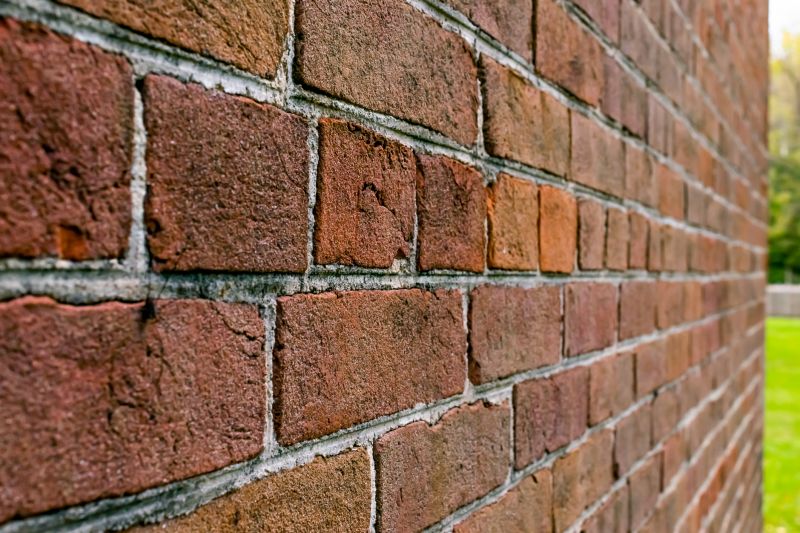
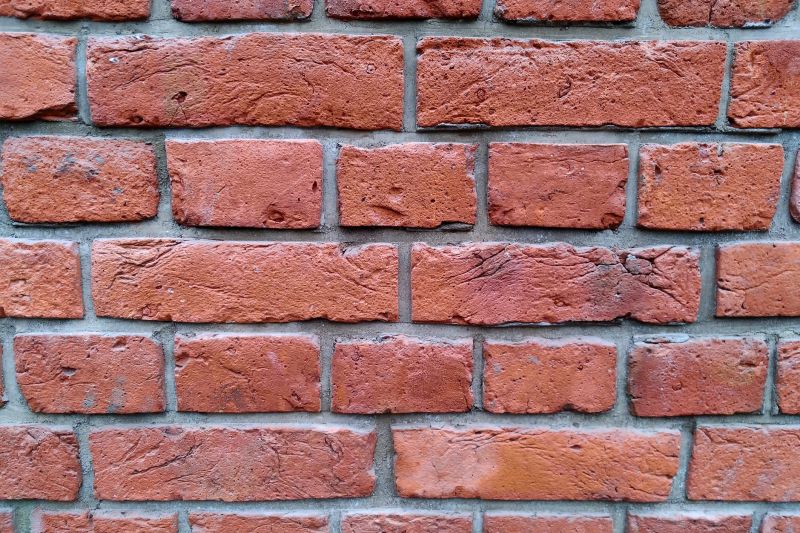
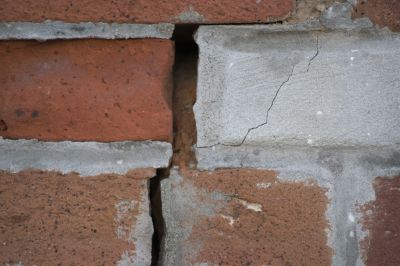
When people search for how tuckpointing helps prevent structural damage in commercial properties, they are often seeking to understand how maintaining the building’s masonry can protect its overall integrity. Tuckpointing involves repairing and restoring the mortar joints between bricks or stones, which are essential for holding the structure together. Over time, mortar can deteriorate due to weather exposure, age, or settling, creating vulnerabilities that can lead to more serious issues if left unaddressed. This process is seen as a proactive way to preserve the stability of a commercial building, preventing costly repairs down the line by addressing potential weaknesses early.
The problems associated with neglecting mortar deterioration are often linked to water infiltration, freeze-thaw cycles, and structural shifting. When mortar joints weaken or crack, they no longer effectively seal the masonry, allowing moisture to seep into the walls. This moisture can cause internal damage, such as rusting of steel reinforcements or spalling of bricks, which in turn compromises the building’s load-bearing capacity. Plans related to tuckpointing frequently involve inspecting, repairing, and restoring mortar joints as part of ongoing maintenance or preemptive preservation efforts. Commercial property owners and managers often consider tuckpointing when planning repairs to uphold building safety and prevent more extensive structural problems.
The types of properties that typically come up in discussions about tuckpointing include office buildings, retail centers, warehouses, and multi-family residential complexes. These structures often feature brick or stone exteriors that require regular upkeep to maintain their appearance and strength. Older buildings in particular tend to have mortar that has deteriorated over decades, making tuckpointing an essential part of their maintenance routine. Commercial property owners recognize that timely tuckpointing not only preserves the aesthetic appeal of their properties but also plays a crucial role in safeguarding the foundation and overall stability of the structure.
Local service providers specializing in commercial tuckpointing are experienced in handling projects across various property types. These contractors assess the condition of mortar joints, recommend appropriate repair strategies, and execute restoration work with attention to durability and safety. For property owners planning maintenance or facing visible signs of mortar deterioration, connecting with local pros ensures that the job is done correctly and efficiently. Proper tuckpointing by skilled contractors helps prevent structural damage by reinforcing the wall’s integrity, reducing the risk of water intrusion, and extending the lifespan of the building’s exterior. This proactive approach is a key element in maintaining the safety and value of commercial properties over time.
Masonry Restoration - masonry restoration projects involve repairing and restoring brick and stonework, utilizing skills similar to tuckpointing to maintain structural integrity in commercial buildings.
Brick Repair and Replacement - local contractors specializing in brick repair use comparable techniques and tools to address mortar deterioration that can lead to structural issues if left unaddressed.
Facade Repointing - facade repointing involves renewing the mortar joints of a building’s exterior, helping prevent water intrusion and subsequent damage similar to tuckpointing benefits.
Stone Masonry Work - stone masonry projects require precise mortar work and planning, aligning with the skills used in tuckpointing to reinforce building exteriors.
Structural Crack Repair - repairing cracks in brick or stone walls is related to tuckpointing, as both focus on preventing structural weaknesses caused by mortar deterioration.
Building Envelope Sealing - sealing and restoring the building envelope involves addressing mortar and joint issues, helping protect commercial properties from water and weather damage.
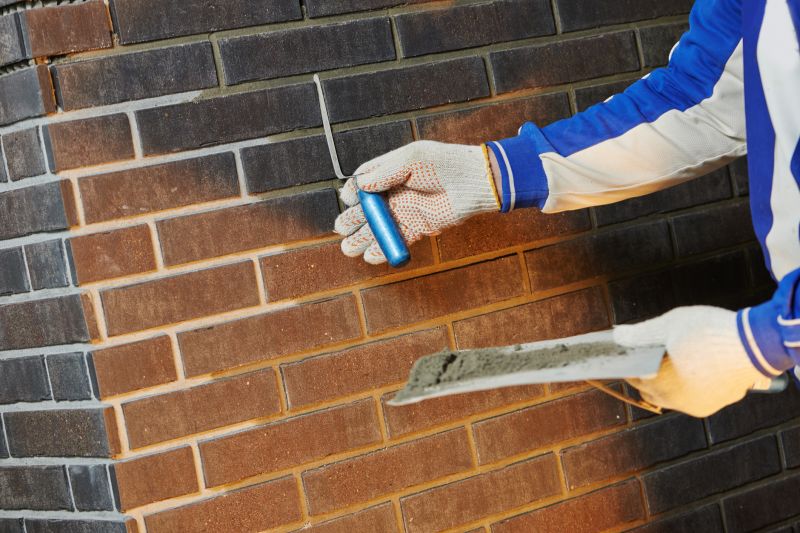
When comparing commercial tuckpointing services, it’s important to consider the experience of local contractors with similar projects. A contractor who has successfully handled tuckpointing on commercial properties comparable in size and design is more likely to understand the specific challenges and requirements involved. This familiarity can contribute to a more effective repair process, ensuring that the work addresses the unique structural needs of the building and helps prevent future issues related to mortar deterioration or water infiltration.
Clear written expectations are a crucial aspect of evaluating potential service providers. A reputable contractor should be able to provide detailed descriptions of the scope of work, materials to be used, and the expected outcomes. Having this information in writing helps ensure that all parties are aligned on the project’s objectives and reduces the risk of misunderstandings. It also allows property owners to compare proposals more accurately and make informed decisions based on the completeness and transparency of the contractor’s plan.
Reputable references and strong communication practices are key indicators of a reliable service provider. Asking for references from previous commercial projects can provide insight into the contractor’s track record and the quality of their work. Additionally, a contractor who maintains open and responsive communication throughout the process can better address questions, clarify expectations, and adapt to any unforeseen circumstances. These qualities help foster a smooth working relationship and increase confidence that the tuckpointing services will effectively support the structural integrity of the property.
Property owners often search for how tuckpointing helps prevent structural damage in commercial properties when they are planning practical projects around their homes and businesses. Local pros provide Commercial Tuckpointing services for everyday jobs and straightforward project options.
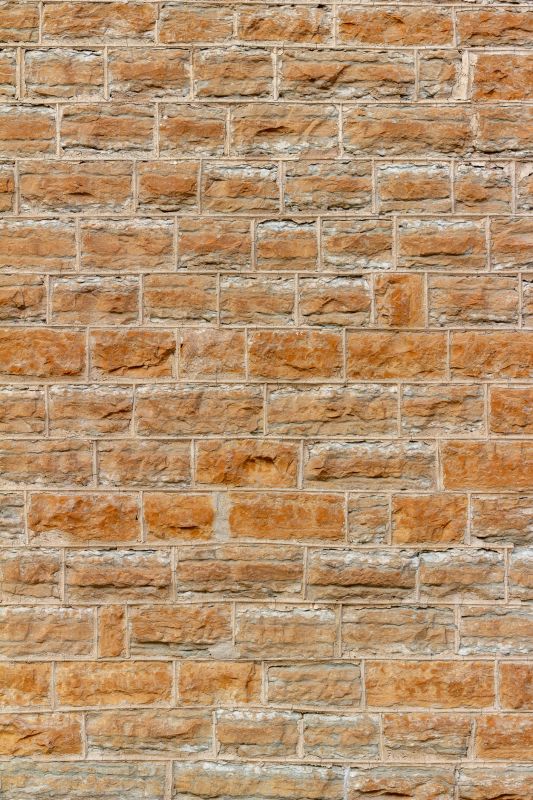
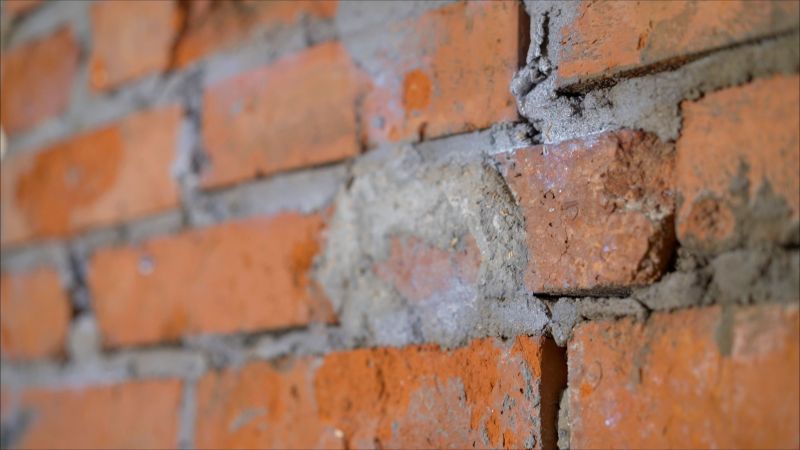
Tuckpointing is a practical solution for maintaining the integrity of commercial properties, especially in areas where buildings are exposed to the elements daily. For property owners dealing with cracked or deteriorating mortar joints, understanding how tuckpointing helps prevent structural damage can be essential. When mortar begins to break down, it can allow water to seep into the brickwork, leading to issues like erosion, mold growth, or even foundational problems over time. Local contractors skilled in tuckpointing can assess the condition of brickwork and perform the necessary repairs to reinforce the building’s exterior, helping to prevent costly damage down the line.
Many property owners in the area look into commercial tuckpointing services after noticing signs of wear or damage on their building’s façade. Regular maintenance with professional tuckpointing can address small issues before they develop into major structural concerns. By replacing deteriorated mortar and sealing joints properly, local service providers help protect the building against water intrusion and weather-related wear. This proactive approach not only preserves the appearance of the property but also supports its long-term stability, making it a valuable step for those looking to maintain the safety and durability of their commercial structures.
How does tuckpointing help prevent water infiltration in commercial buildings? Tuckpointing seals cracks and gaps in mortar joints, preventing water from seeping into the structure and causing damage over time. Local contractors can ensure proper sealing to protect the building’s foundation and interior.
In what ways can tuckpointing reduce the risk of structural weakening? By repairing deteriorated mortar, tuckpointing maintains the integrity of brickwork, reducing the likelihood of bricks loosening or collapsing, which helps preserve the overall stability of commercial properties.
Why is timely tuckpointing important for preventing long-term damage? Addressing mortar deterioration early with tuckpointing prevents moisture intrusion and structural issues that can become costly if left unaddressed. Local service providers can assess and perform necessary repairs promptly.
How does tuckpointing contribute to the longevity of a commercial property’s facade? Proper tuckpointing restores the appearance and strength of brickwork, shielding it from environmental elements and preventing damage that could compromise the building’s exterior over time.
What role do local contractors play in ensuring effective tuckpointing for damage prevention? Local contractors bring expertise in assessing mortar condition and applying appropriate repair techniques, helping to maintain the structural integrity and appearance of commercial properties effectively.
Identifying early mortar deterioration - Regular inspections by local contractors can help property owners spot signs of mortar decay before it causes significant damage.
Addressing cracks promptly - Repairing small cracks through tuckpointing services can prevent water infiltration that leads to structural weakening.
Replacing damaged mortar joints - Professional tuckpointing can restore the integrity of brickwork, reducing the risk of brick displacement or collapse.
Maintaining proper joint sealant - Ensuring joints are properly sealed helps keep moisture out, protecting the building’s structure over time.
If you are thinking about how tuckpointing helps prevent structural damage in commercial properties for a property, this guide is meant to help you understand this topic, the typical project types, and how different options might fit your plans.
When you are ready, you can use the quote form on this page to share a few details about your project. From there, local pros can review the basics and follow up with options that match what you have in mind.